Heather and her staff blog about all things pelvic health related
Including male, female, pediatric, transgender and nonbinary chronic pelvic pain, urinary dysfunction such as incontinence, prostatitis, sexual dysfunction, pregnancy, back pain, upcoming events and more.

Featured on the Blog

Doctors have known for decades that smoking affects lung and heart health, greatly increasing risk of both lung cancer and heart disease. In recent research, they have been finding that smoking increases risk to various urologic diseases as well.
Bladder Cancer
Cigarette smoking triples the risk for bladder cancer when compared with the risk in nonsmokers, about 50% of bladder cancer in men and 20% in women can be attributable to smoking (Freedman, 2011). Cigarette smoke contains about 60 different carcinogens, and many of these are identifiable in the urine of smokers (Manatonski, 1981). Cigarette smoking is one of the largest risk factors we can control to prevent the development of bladder cancer in men and women.
Prostate Cancer
Although the cause of prostate cancer is not clear, some researchers believe it may be due to various factors including genetics, diet, inflammation, infectious agents, hormonal imbalance, or exposure to toxins like cigarette smoke (Dwivedi, 2012). A 2012 study by Dwivedi found that smoking increased

Are You Considering Pelvic Floor Therapy for Pubic Symphysis Pain? Read On.
Pain at the pubic bone is also known as pubic symphysis pain
This pain is often caused by instability in the pelvic girdle and can be exacerbated by sport injuries and pregnancy. Common sport positions that include deep squatting (hockey, catcher’s position, soccer goalie) can exacerbate the discomfort. Pregnancy is also a common exacerbation, in a study by Mogren (2006), 50% of pregnant women have some type of pelvic girdle pain prior to 20 weeks gestation.
Pubic symphysis pain can make daily activities like working, walking, and doing chores, painful if not impossible, and can can also negatively affect quality of life and sexual life.
Radical prostatectomy is a procedure that is often performed on men to remove cancerous prostate tissue after a prostate cancer diagnosis. Approximately 85% of men who undergo the surgery complain of erectile dysfunction (ED) after the procedure. Erectile dysfunction is defined as the inability to achieve and maintain an erection for satisfactory sexual performance. Around 6-8% of men report urinary incontinence after radical prostatectomy.
What Causes Erectile Dysfunction after a Radical Prostatectomy?
During a nerve-sparing radical prostatectomy, the nerves and blood vessels surrounding the prostate can be damaged during the procedure. This trauma can contribute to the loss of oxygenated blood flow to the penile soft tissue which may further result in damage in the smooth muscles of the penis, thickening fibrosis of the penile tissue, and a decreased ability to hold blood in an erect penis.
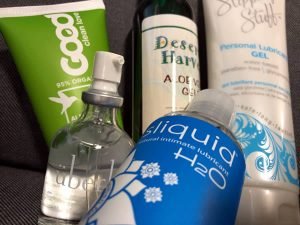
When talking to some of my patients, I’ve noticed that lubricants have a negative stigma.
For instance, women believe that something must be wrong with them if they have to use a lubricant. Let’s talk about finding the right personal lubricant for you.
Yes, there are natural causes with aging that can cause vaginal dryness, but our society has also skewed the way we view our natural lubrication. Every woman has glands in their vagina that secrete various amounts of lubrication. My thought is why not add to the fun, because lubricants can definitely be that!
Using a lubricant can enhance the pleasure, decrease friction, prevent pain/discomfort, and prolong sexual excitement, so why wouldn’t you want to use it. Now finding the right lubricant for you can be a challenge, but no worries this will help you get started. We will start with some basics when looking for your soulmate lubricant.

I just returned to Los Angeles after completing an amazing eight day trip to Beijing, China. There I had the opportunity to work with the Chinese Olympic Committee,their rehabilitation staff and athletes. I gave two lectures with hands-on labs to their physiotherapists on Hip Impingement and Cyclist’s Syndrome (Pudendal neuralgia in cyclists). Did I talk about the pelvic floor muscles in both lectures? You bet I did! Monica is my awesome Mandarin translator pictured standing next to me below.
Asking Yourself “Why do my testicles hurt?” Read On For Answers.
When I talk to friends and family about pelvic floor physical therapy, many think I only treat women.
Pelvic floor muscles are found in everyone! The male population can also suffer from pain or dysfunction in the pelvic region.
Have you ever asked yourself:
- “Why does my penis hurt?”
- “Why do my testicles hurt?”
- “Why is it hard to start my flow of urine?”
- “Why do I have to pee all the time?”
We’ll start answering those questions. Some diagnoses include chronic testicular pain, groin pain, chronic prostatitis/chronic pelvic pain syndrome, and pelvic floor dysfunction. In today’s blog, we will be focusing on chronic testicle pain or pain in the testes, also known as, chronic orchialgia.
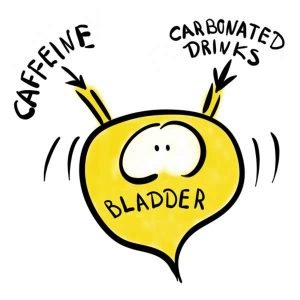
Did you know specific food and drinks can irritate your bladder?
Do you ever feel strong urinary urgency or frequency? Do you have urinary incontinence? Have you been diagnosed with a bladder control problem, overactive bladder, or interstitial cystitis? If so, you may notice some days symptoms can be worse than others. This can be attributed to the TYPES of foods and drinks you consume, also referred to as bladder irritants. Bladder irritants can aggravate symptoms such as bladder pain, urinary incontinence, urgency, and frequency.
May is Pelvic Pain Awareness month and healthy bowel habits are important component to consider in overall pelvic health.
What is your poop telling you?
A lot of our clients with pelvic floor dysfunction, pelvic pain, endometriosis, and prolapse have some trouble with their bowels. IBS and other bowel-related issues can cause abdominal pain, rectal pain, and pelvic floor problems. It’s a connection that is very important to consider!
Today we will discuss poop color, texture, and size. While many of us may turn our heads when we flush, there are some important details about your health that can be gathered from the color of your poop, so consider taking a gander at your poop before you flush it away.
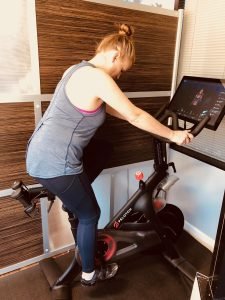
Did you know that riding a bike that doesn’t fit your body can cause and exacerbate nerve and orthopedic problems? Avoid nerve, muscle and joint pain with the following tips!
Before We Begin: Ask for Help
If you are spinning at a gym or in a class, ask for assistance from cycling instructors if you need help setting up your bike. Everyone needs help doing this when they begin, so don’t be shy!
If you are cycling at home, come see us at the clinic or have us come out to your house! Clinic owner Heather Jeffcoat, DPT does custom fit assessments in our Sherman Oaks office using the Peloton, and travels in the greater Los Angeles area.
Where is your tush?
Before you sit on the bike, know where you should be sitting!
Your sitting bones should be seated on the back (widest part) of your bike saddle. Sitting correctly on the bike will be one of the most important factors to keeping you from developing orthopedic or nerve issues.

How to prevent back pain for your child
With the school year upon us, kids everywhere are settling into their routines including schlepping items from home to school and extracurricular activities.
Heavy backpacks can lead to back and shoulder pain, injuries, and soreness. Here are a few tips to stay healthy when using a backpack.
Symptoms to watch for:
Carrying a backpack that is too heavy for you can lead to back pain, spinal injuries down the road, as well as an injury to the brachial plexus, the nerve network that goes down the front of the neck and shoulder to your arms, hands, and fingers.
Here are some symptoms to watch out for:
- Back Pain
- Numbness, tingling, prickling, or burning sensations in the shoulders, arms, or hands.
- Weakness in the shoulders, arms, or hands.
- Pain in the arms, hands, forearms, or shoulders
- Pain that radiates down the arm
- Neck and shoulder pain
Childhood Constipation and how Pelvic Floor Therapy Can Help
Does your kiddo have a hard time passing bowel movements?
If the answer is yes, you are not alone. According to (Mugie et al. (2011) up to about 30% of children experience constipation. In fact, kids admitted to the emergency room with abdominal pain are most often diagnosed with constipation (Caperell, Pitetti, & Cross, 2013).
Kids who don’t get treatment for their constipation may start falling into muscle holding patterns that persist into adulthood. This means that childhood constipation problems may lead to adult constipation and other pelvic floor issues.
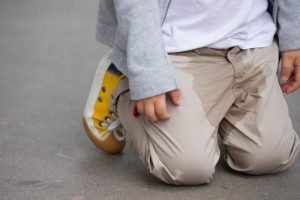
While occasional daytime and nighttime accidents (bowel and urine) are a normal part of younger childhood, kids can experience pediatric incontinence and pelvic floor dysfunction just like adults.
In this article we will discuss the signs of an underlying pelvic floor dysfunction in children and how pelvic floor therapy can help.
When is it a problem?
Occasional daytime and nighttime accidents are a normal part of growing up. However, if accidents are interfering with a kid’s social engagement, progress in school, or their self-image, then you may consider seeking extra help from a pediatric urologist or pelvic floor therapist.

Managing Prostatitis Related Pain is Possible
Part 2 of 2 of our Prostatitis Lifestyle Management Series
An article published in the Journal of Prostate Cancer and Prostatic Disease (Gallo, L. (2014).) outlines evidence-based recommendations for managing prostatitis related pain in men. These recommendations were well tolerated by clients and showed statistically significant reduction in symptoms caused by prostatitis and CPPS. Today we will cover lifestyle and sexual habits that can help relieve pelvic pain.
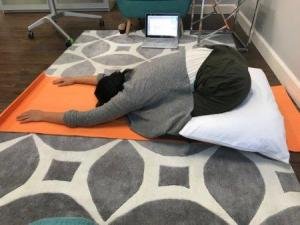
Did You Know That You Can Practice Yoga Therapy to Ease Prostatitis?
Yoga is a form of exercise that utilizes movement for strength and flexibility, along with breathwork and mindfulness for reduction of stress and tension. Yoga has long been used therapeutically for a variety of neuromuscular, immunological, psychological, and pain disorders. It has also been linked to improvements in body awareness, improved cognition, flexibility and strength, as well as physiology (reducing stress hormones, improving cardiac function) (Schmalzl et al, 2015).

Ways Prostatitis Related Pelvic Pain Can Be Reduced or Eliminated
Part 1 of 2 of our Prostatitis Lifestyle Management Series
An article published in the Journal of Prostate Cancer and Prostatic Disease outlines evidence-based recommendations to treat prostatitis related chronic pelvic pain syndrome (CPPS) in men (Gallo, L., 2014). These recommendations were well tolerated by clients and showed statistically significant reduction in symptoms caused by prostatitis and CPPS. Today we will cover dietary and toileting habits which can help relieve pelvic pain.
Prostatitis and Male Pelvic Pain
Chronic prostatitis, nonbacterial prostatitis, and chronic pelvic pain are all related conditions which negatively affect quality of life for the men who suffer from them. Symptoms vary, but are often described as a “headache in the pelvis” with pain symptoms affecting urinary and sexual function. The pain is real and their negative affects on quality of life are real as well. The pain caused by nonbacterial prostatitis can be disabling, preventing participation in valued activities and causing isolation and depression.
According to Harvard Medical School, prostatitis accounts for about 1.8 million visits to the doctor’s office in the United States each year. Between 9% to 16% of men of all ages experience prostatitis. About 90% of these instances cannot be tied to an active bacterial infection. Prostatitis affects men of all ages, unlike benign prostatic hyperplasia (BPH) and prostate cancer, which predominantly affect older men.
Products We Love
Amazon
A Curated List of Excellent Items at Amazon
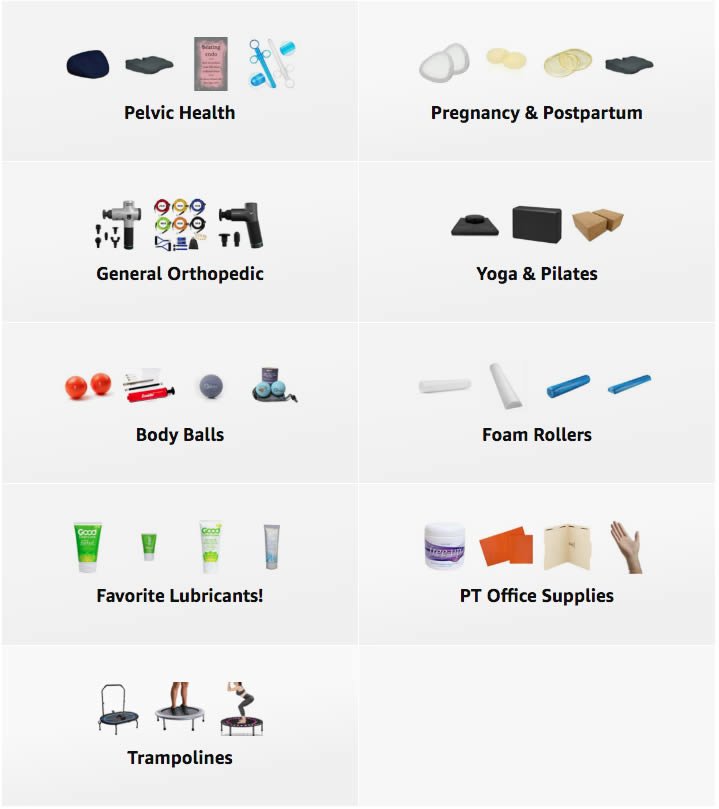
From books and workout accessories to general othopedic items and even personal lubricants!
When you visit our space on Amazon you will find a wide variety of products that will help in your quest to not just better pelvic health, but to your overall health and wellbeing too! Click anywhere in this ad to go there now and find what you need!
SRC Health
Designed by women for women.
Whilst recovering in hospital after the birth of her first child, our founder Sinead O’Donovan decided that new mums deserved more help getting back to their busy lives. Drawing on her extensive medical and bio-mechanical background, Sinead envisaged a garment that would be comfortable for new mums to wear all day whilst giving her all the support she and her body need.
In Heather’s own words:
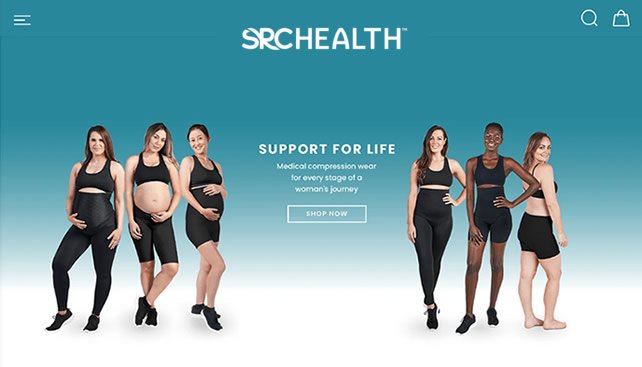
I thought it’s finally time to share one of my post-op recovery secrets — I’ve been loving that supported life in my @srchealth compression leggings since my hip labral repair surgery last October. When I wear them, my chronic left SI joint hurts less and my legs feel like they’re being micro-massaged all day long!
Click here to shop the full SRC Health line, and use code FEMINA at checkout for special pricing!
MedAmour Body Safe Products and Services
Designed by women for women.
Whilst recovering in hospital after the birth of her first child, our founder Sinead O’Donovan decided that new mums deserved more help getting back to their busy lives. Drawing on her extensive medical and bio-mechanical background, Sinead envisaged a garment that would be comfortable for new mums to wear all day whilst giving her all the support she and her body need.
Click here and use code FEMINAPT to save $10 off your first $50 purchased.