
Heather and her staff blog about all things pelvic health related
Including male, female, pediatric, transgender and nonbinary chronic pelvic pain, urinary dysfunction such as incontinence, prostatitis, sexual dysfunction, pregnancy, back pain, upcoming events and more.

Featured on the Blog

This month is Bladder Health awareness month and we would like to discuss with our readers a recent and significant update to the research regarding guidelines on treating Interstitial Cystitis / Bladder Pain Syndrome (IC/BPS).
This past May, the American Urological Association (AUA) published updated clinical guidelines for the diagnosis and treatment of IC/BPS. The purpose of this guideline is to provide a “clinical framework” for best practice regarding optimal management of patients with Interstitial Cystitis / Bladder Pain Syndrome. This includes what should and shouldn’t be done for patients, and how to avoid unnecessary or harmful interventions. The previous guidelines on treating Interstitial Cystitis were published in 2014 — 8 years ago!
So what is Interstitial Cystitis / Bladder Pain Syndrome?
Check out some of our previous articles on our sister site, FeminaPT.com for definitions and how pelvic floor physical therapy can help, including this article specific to those that have painful intercourse and Interstitial Cystitis / Bladder Pain Syndrome. In this year’s update, the author’s, experts in the field, continued to include the role of pelvic floor physical therapy in management and treatment of patients experiencing Interstitial Cystitis or Bladder Pain Syndrome. The AUA has placed pelvic floor physical therapy under the Behavioral / Non-pharmacologic Treatments category, as we are evidenced-based (research-approved) professionals providing treatments that have proven successes for Interstitial Cystitis / Bladder Pain Syndrome.
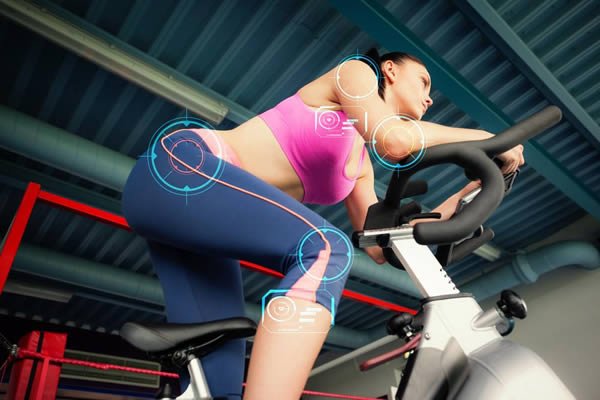
Want to start a spin class? Afraid of returning to cycling because of knee pain or pelvic pain?
Come see one of our trained staff therapists for an assessment of your form and spin the right way.
We love biking at Fusion Wellness & Physical Therapy / Femina PT! We have a Peloton bicycle used to evaluate, modify and progress spinning and cycling routines. Our clinic director/owner Heather Jeffcoat, DPT, is our in-house spinning guru. She is here to help you with your form as well as how to fit the bike properly to your body.
May is Osteoporosis Awareness Month.
Did you know that Physical Therapists are an essential member of your interdisciplinary care team?
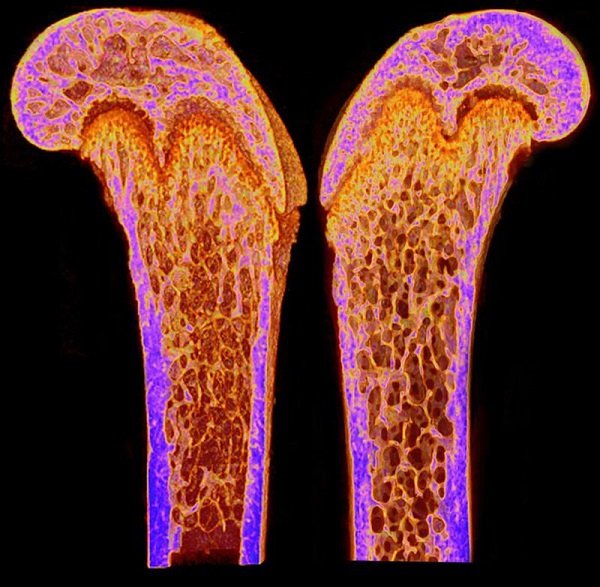
With life expectancy increasing it is becoming more evident that bone health and fall prevention are key to a good quality of life. Osteoporosis is defined as a decrease in bone mass or a change in the structure of the bone causing the bone to be more fragile.1 If the bone is weak there is a higher chance of a fracture (bone break). The most common areas of fractures are the hip, spine, forearm, and humerus (upper arm bone). Osteoporosis causes more than 8.9 million fractures annually worldwide, affecting predominantly postmenopausal women. The probability of women, at menopause, of having an osteoporotic fracture exceeds that of breast cancer and the likelihood of a fracture is approximately 40%.2
Bone mineral density is measured through a scan called a Dual-Energy X-ray Absorptiometry (DEXA). It can be used to measure the bone mineral density of the whole skeleton as well as specific sites. Approximately 21% of women aged 50–84 years are classified as having osteoporosis.2
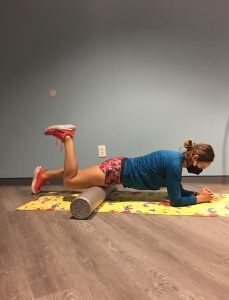
Building Your Own Post-run Recovery Routine
A very important component of any running program, ranging from a 5 km (3.1 miles) race to an ultra-marathon (anything more than a marathon which is 26.2 miles), is adequate recovery.
Many people neglect this portion of their training because it doesn’t involve getting sweaty or doing high intensity intervals or weights. However, building in a solid recovery routine is crucial to helping your body bounce back after training as quickly as possible. A good recovery routine also helps prevent injury, decreased immune system function, and muscle mass loss. A recovery routine encompasses a cool-down activity, nutrition, and exercises like hatha-based yoga, foam rolling, and/or stretching the major muscle groups used during your workout. Although not discussed here, getting good quality sleep is critical to recovery as well!
My Post-run Recovery Routine:
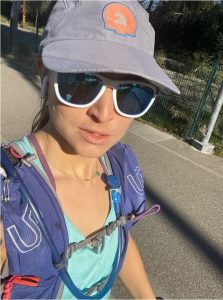
10 Strength, Conditioning, and Balance Exercises for Marathon Runners
Leading up to the Boston Marathon, I have been incorporating these 10 key exercises into my weekly routine (3x/week) to keep my body strong and balanced. Check out videos of these exercises here (link to instagram post). These exercises target the key muscle groups used by runners. These are for educational purposes, not meant to treat medical conditions nor supplement medical advice.
Mat-based Strength and Conditioning for Boston
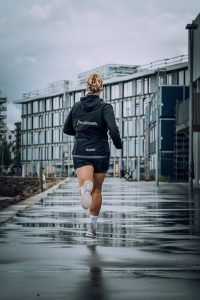
Road to Boston Marathon Part 1
A Tribute to the First Female Runners in the Boston Marathon
On April 18, 2022 I am excited and grateful to be able to run the historic and prestigious Boston Marathon! As a physical therapist at Fusion Wellness /Femina Physical Therapy and avid long-distance runner for over 20 years, I’m excited to share my training journey with you leading up to the race. This race holds a special place in the hearts of long-distance runners because you must run a qualifying race with a qualifying time. Females ages 18-34 must run 3 hours 30 minutes or better, and males ages 18-34 must run 3 hours flat or better.
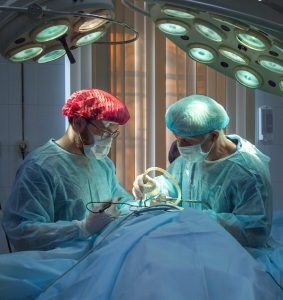
Over 1 million people in the United States self-identify as transgender, and according to the 2019 Plastic Surgery Statistics by the American Society of Plastic Surgeons, around 11,000 gender confirmation surgeries were performed annually in the U.S. Gender-affirming (also referred to as sex-affirming or gender-confirming) surgery encompasses various elective plastic surgery procedures that result in physical characteristics typically associated with being male or female. While not the case for all people who identify as transgender, some people experience distress that their sex assigned at birth does not match their gender identity (termed gender dysphoria). These procedures are just one means to help someone feel congruence between their gender identity and physical traits associated with a particular sex. It is important to note that just because a person identifies as trans-gender or non-binary does not mean that they feel gender dysphoria, nor does it imply that they need or want medical procedures or surgeries to look more feminine or masculine.
Types of Gender-Affirming Surgeries:
Gender-affirming surgeries can involve the face, chest, or genitalia, and are listed in the table here:
What is Restless Leg Syndrome and How Can Physical Therapy Help?

Restless Leg Syndrome (or RLS)
Restless leg syndrome (or RLS) is a condition where there are uncontrollable urges to move limbs (mostly in the legs, but sometimes in the arms) that follows a circadian pattern, namely evenings/overnight when resting.
The urges usually come with unpleasant sensations such as tingling, burning, itching, or otherwise painful. Restless leg syndrome can often be alleviated by movement, but as you can imagine, it can be debilitating and impair sleep, and thus quality of life. It is common to experience mood swings, anxiety and depression. It is estimated that about 3.9-14.3% of the general population suffer from RLS. It is the most common movement disorder in pregnant women. There is either primary (idiopathic) RLS, or secondary (acquired) RLS due to pregnancy, renal pathologies and are also associated with diabetes, hypertension and other metabolic conditions. The two most common risk factors for RLS are iron deficiency and kidney disease.

Interstitial cystitis (IC) also known as bladder pain syndrome or painful bladder syndrome, is a debilitating condition that significantly affects the quality of life of patients living with it.
Symptoms of IC include:
- An unpleasant sensation (pain, pressure, discomfort) perceived to be related to the urinary bladder >6 weeks in duration6,7,9
- Increased pain with specific foods or drinks and/or worsened with bladder filling and/or improved with urination9.
- Urinary urgency (Seen in 84% of IC patients)6.
- Urinary frequency (>10x/day) (Seen in 92% of IC patients)6.
Causes & Treatments for Lower Urinary Tract Symptoms
Men may experience different types of lower urinary tract symptoms (LUTS)
Men may experience different types of lower urinary tract symptoms (LUTS) and are often divided into different categories: storage symptoms (urinary urgency, frequency, nighttime peeing, incontinence), voiding symptoms (painful urination, incomplete emptying, dribbling, poor urinary stream), and/or post voiding symptoms (post-void dribbling, pain after urination, etc.).
Living with these symptoms can be debilitating and significantly decrease quality of life. Between 70-90% of older men over 80 experience some version of LUTS. LUTS are often associated with bladder outlet/obstruction issues due to enlarged prostate. However, this is not always the case and can arise from other bladder or urethra disorders including overactive bladder syndrome, painful bladder syndrome, chronic prostatitis/chronic pelvic pain syndrome (CP/CPPS), and other.
Is There Really a Relationship Between Grip Strength and Urinary Incontinence?
Read on to find out1
At Fusion Wellness & Physical Therapy, we take pride in understanding and applying how your whole body affects your pelvic health. In this article, we explore how urinary incontinence and other bladder issues are correlated with grip strength.
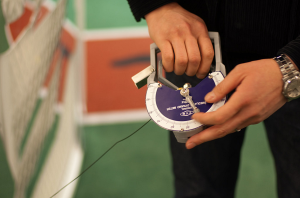
A study conducted at the Jeju National University measured grip strength in patients and found statistically significant differences in patients with incontinence, overactive bladder and nocturia4. They found these patients had a weaker grip strength (less than 18kg) using a hand dynamometer.
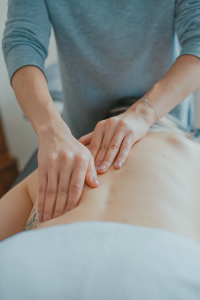
It has long been recognized in the Pelvic Physical Therapy World that there is a connection between urinary incontinence and low back pain.
Clinically, we often see patients that come in with both symptoms. How common is urinary incontinence among people also affected by low back pain? What comes first, the urinary incontinence or the back pain? What causes this?
In a recent systematic review, a positive association of 83% was found between urinary incontinence and low back pain or pelvic girdle pain. Pelvic girdle pain is defined as the area below the low back and below the abdomen (gluteal region in the back and pubic bone in the front). The strength of this correlation depends on many factors such as type of urinary incontinence, pain severity, and length of pain.

A Recent Pilot Study Looked at the Connection Between Urinary Chronic Pelvic Pain and Resilience
A recent pilot study looked at how resilience affects patients with urinary chronic pelvic pain (UCPP) conditions and chronic overlapping pain conditions (COPCs).
Resilience can be defined as the “capacity to adapt successfully to disturbances that threaten a patient’s viability, function or development.” (Southwick et al., 2014)
Resilience is now an important aspect in the treatment of pain, as it can increase psychosocial well‐being and the quality of life in patients living with chronic pain. (Casale et al., 2019)

Overview: Urinary Incontinence
About 13 million people in the United States experience some type of incontinence, or unwanted leakage of urine. More than 50% of women over 20 years old reported experiencing urinary incontinence at some point in their lives. Moderate to severe urinary incontinence is prevalent in 17% of women aged 20 years or older, but more commonly occurs in 38% of women aged 60 years or older.
Types of Urinary Incontinence
Stress Urinary Incontinence
Stress urinary incontinence is when leakage occurs during stress-induced activities such as exercises, coughs, and sneezes.
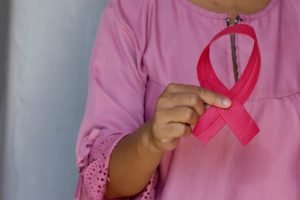
This article introduces common unwanted side effects that affect sexual function after cancer and discusses strategies to counteract these symptoms.
Sexuality can be a big part of who we are as individuals.
Sexual functioning can be defined as “specific physical, physiological, neurological and emotional behaviors expressed by an individual response” (Wood, 1984).
Certain cancers can unfortunately affect our sexual health, including cervical, ovarian, bladder, kidney, colorectal and breast cancer to name a few.
Some cancer treatments can cause unwanted side effects that affect our sexual health such as decreased sexual arousal or desire, vaginal stenosis (narrowing of the vaginal canal), dyspareunia (painful sexual intercourse), and bladder/bowel dysfunction. Issues with sexual function after cancer can affect our relationships with ourselves and with our partners, and reduce quality of life. Hopefully a physical therapist is part of your team to help guide you during this challenging time and minimize these aforementioned side effects. Otherwise, ask for a pelvic floor physical therapist to join your team during your recovery!
Products We Love
Amazon
A Curated List of Excellent Items at Amazon
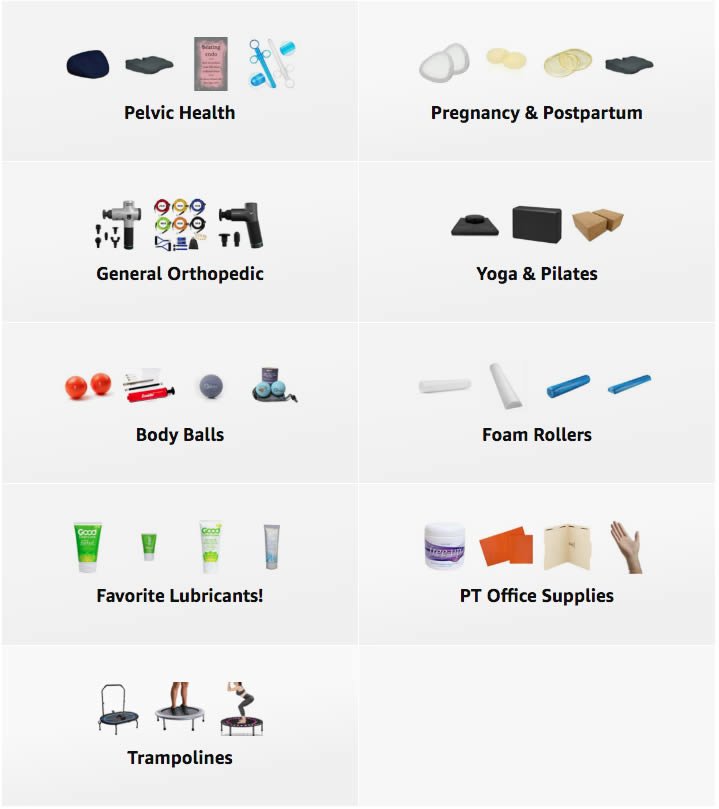
From books and workout accessories to general othopedic items and even personal lubricants!
When you visit our space on Amazon you will find a wide variety of products that will help in your quest to not just better pelvic health, but to your overall health and wellbeing too! Click anywhere in this ad to go there now and find what you need!
SRC Health
Designed by women for women.
Whilst recovering in hospital after the birth of her first child, our founder Sinead O’Donovan decided that new mums deserved more help getting back to their busy lives. Drawing on her extensive medical and bio-mechanical background, Sinead envisaged a garment that would be comfortable for new mums to wear all day whilst giving her all the support she and her body need.
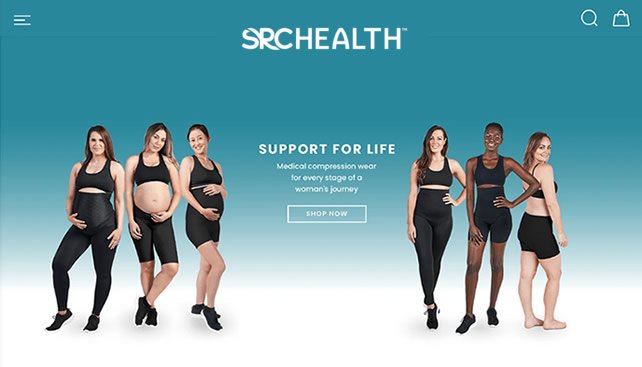
In Heather’s own words:
I thought it’s finally time to share one of my post-op recovery secrets — I’ve been loving that supported life in my @srchealth compression leggings since my hip labral repair surgery last October. When I wear them, my chronic left SI joint hurts less and my legs feel like they’re being micro-massaged all day long!
Click here to shop the full SRC Health line, and use code FEMINA at checkout for special pricing!
MedAmour Body Safe Products and Services
Designed by women for women.
Whilst recovering in hospital after the birth of her first child, our founder Sinead O’Donovan decided that new mums deserved more help getting back to their busy lives. Drawing on her extensive medical and bio-mechanical background, Sinead envisaged a garment that would be comfortable for new mums to wear all day whilst giving her all the support she and her body need.

Click here and use code FEMINAPT to save $10 off your first $50 purchased.