Diagnoses of Pelvic Pain, Pelvic Floor Issues, and Sexual Dysfunctions

orthopedics

At Fusion Wellness & Physical Therapy, we specialize in treating these conditions that are all too often misunderstood by the medical community. What sets us apart from other physical therapy offices is we provide one-on-one care by licensed physical therapists for 55-85 minutes or more. In certain circumstances we offer 2 hour+ appointments. No unlicensed personnel are used at any time, making the quality of care we provide at the highest level.

Our experience solving a wide range of pelvic floor issues is unmatched in our field, including incontinence in men and women, painful intercourse issues, chronic pelvic pain and more.


  • Incontinence and Voiding Dysfunctions in Men, Women, Children, Transgender and Nonbinary folks:
    • Stress, Urge or Mixed Urinary Incontinence
    • Light bladder leakage
    • Urinary urgency and frequency
    • Delayed or painful voiding / urinary hesitancy
    • Shy bladder
    • Interstitial cystitis (IC) and Painful Bladder Syndrome (PBS)
    • Overactive bladder
    • Nocturia / night time urinating
    • Enuresis / bedwetting
    • Fecal / Bowel Incontinence ; Accidental Bowel Leakage ; stool staining
    • Painful bowel movements
    • Irritable bowel syndrome (IBS)
    • Constipation
    • Pelvic floor dyssynergia
  • Painful Intercourse:
    • Vaginismus / Genito-Pelvic Pain and Penetration disorder
    • Vulvodynia
    • Vulvar vestibulitis
    • Unprovoked and provoked vestibulodynia
    • Dyspareunia
    • Endometriosis
    • Dysorgasmia / Painful orgasm
      • Including painful ejaculation
  • Pelvic Pain
    • Levator Ani Syndrome
    • Prostatitis (men)
    • Pudendal Neuralgia
    • Pudendal Neuritis
    • and painful intercourse diagnoses listed above
  • Persistant Genital Arousal Disorder (PGAD) / Persistent Sexual Arousal Syndrome (PSAS)
  • Dysorgasmia / Painful Orgasm
  • Anorgasmia (no orgasm) or Diminished Orgasms
  • Coccydynia (tailbone pain)
  • Painful Bladder Syndrome / Interstitial Cystitis
  • Prostatitis and other male pelvic pain

In depth evaluations, manual therapy, exercise prescription, and many of the other services we offer will have their greatest impact on your recovery when done by skilled, licensed providers that also participate in ongoing continuing education. This practice model also allows us to quickly identify when changes in your treatment plan are needed, maximizing each treatment session. Make an appointment at either our MidWilshire, Sherman Oaks or Montrose/Glendale office today to get on the path to healing tomorrow.


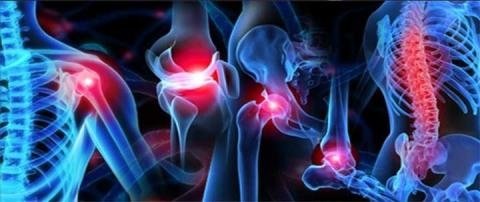
We Can Help You Recover from Most Common Orthopedic Issues

We Can Help You Recover from Most Common Orthopedic Issues

A Brief List of Common Orthopedic Issues We Treat We treat a wide variety of common orthopedic issues, including acute, subacute, and chronic injuries of bone, joints and muscles, and injuries sustained during sports and other activities. We offer specialized physical...

read more

Vaginismus / Genito-Pelvic Penetration Disorder

About Vaginismus and Genito-Pelvic Penetration Disorder Involuntary muscle spasms involving the superficial and deep pelvic floor muscles that typically cause painful entry, limiting or preventing intercourse, tampon insertion or pelvic exams. Women with vaginismus do...

read more

Urogenital Prolapse

UROGENITAL PROLAPSE “Urogenital prolapse occurs when there is weakness in the supporting structures of the pelvic floor allowing the pelvic viscera to descend and ultimately fall through the anatomical defect.” - Bo, Kari, Berghmans, Bary, Morkved, Siv, Van Kampen,...

read more

Incontinence

INCONTINENCEIncontinence is the inability to control bodily functions resulting in the loss of urine or feces. Stress Urinary Incontinence is an involuntary loss of urine with physical exertion (while coughing, sneezing, lifting, positional changes etc.) This occurs...

read more

Pelvic Pain Syndromes

Vaginismus: Vaginismus definition: the involuntary muscle spasms involving the superficial pelvic floor muscles that typically cause painful entry, limiting or preventing intercourse, tampon insertion or pelvic exams. Many women will also describe "a wall" that limits...

read more

Male Pelvic Floor Issues

Male Pelvic Floor Issues and Treatments for Male Sexual Dysfunctions: Pelvic floor muscles are very important in the physiology of both male and female sexual response. Physical therapists play an important role in the multidisciplinary team when dealing with male...

read more

Heather Jeffcoat, DPT

Published: 17 May 2021

orthopedics

A Brief List of Common Orthopedic Issues We Treat

We treat a wide variety of common orthopedic issues, including acute, subacute, and chronic injuries of bone, joints and muscles, and injuries sustained during sports and other activities.

We offer specialized physical therapy that addresses the complete picture of pelvic floor dysfunction, orthopedic issues and visceral restrictions, and this is one of the main tools to help minimize the effects of endometriosis on your body.

Heather Jeffcoat, DPT

Published: 17 May 2021

tmj_pelvic_pain_biolabs_unsplash_main_600p

Is There Really a Connection Between TMJ and Pelvic Pain?

We all know the old childhood song “The hip bone’s connected to the thigh bone“. What if there was a connection from your jaw to the pelvic floor? Read on for how they are, in fact, connected.


What is TMJ?

TMJ stands for temporomandibular joint. This joint attaches your skull to your jaw and is located in front of your left and right ear. It opens and closes your mouth for activities like talking and chewing. A dysfunction in the TMJ can occur in the ligaments, muscles or joints and is referred to as TMJD.

Heather Jeffcoat, DPT

Published: 17 May 2021

Heather Jeffcoat, DPT

Published: 17 May 2021

Heather Jeffcoat, DPT

Published: 17 May 2021

Heather Jeffcoat, DPT

Published: 17 May 2021

Heather Jeffcoat, DPT

Published: 17 May 2021

INCONTINENCE
Incontinence is the inability to control bodily functions resulting in the loss of urine or feces.

Heather Jeffcoat, DPT

Published: 17 May 2021